
Plastic and nutrient pollution in our oceans
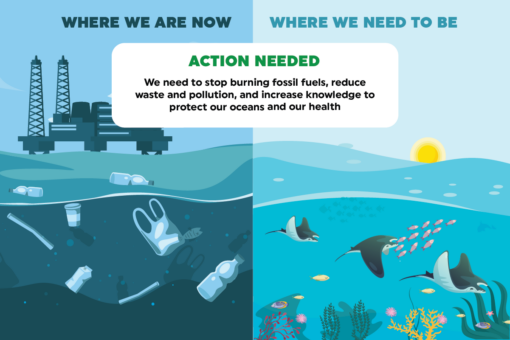
Marine pollution is primarily due to land-based activities. The exponentially increasing plastic, sewage and other forms of waste that run off into the oceans are harmful to marine life. More than 10 million metric tons of plastic, around 85% of marine litter, ends up in oceans around the world every year. This number is expected to almost triple by 2040. The fishing industry itself contributes to around a third of this plastic waste. Nutrient pollution is causing eutrophication (blooming of harmful algae) in coastal areas and increasing the number of dead zones – regions under water with extremely low oxygen levels where life cannot survive – globally (approximately 700 in 2019, the total size is estimated to be larger than the UK). Nitrogen and phosphorus waste from fertilisers and manure generated from farming are significant contributors to eutrophication.
Our Recommendation
This can be achieved through a market transformation towards a circular economy and adoption of necessary policy and regulatory frameworks.