
Food systems account for about a third of greenhouse gas emissions and much of the loss of nature, yet globally we have a billion people who go to bed hungry and billions who are obese. Transforming our food systems to be healthier, sustainable, and efficient is critical.
Why our current food system is bad for our health and the planet?
Climate crisis and food
Our food system is one of the two biggest drivers of climate change, alongside fossil fuels – responsible for 30% of global greenhouse gas emissions. From methane-heavy meat and dairy production to the 1.3 billion tonnes of food wasted every year, the way we grow, distribute and consume food is placing a growing strain on both public health and the planet.
Impacts of the food system on the environment
Beyond emissions, our food system is one of the biggest drivers of environmental and public health harm in the UK. From biodiversity collapse to air pollution, the way we farm and produce food is degrading the natural systems we depend on – and the health consequences are already being felt.
Consequences of unhealthy food and unsustainable practices
Diet isn’t just a personal health choice – it’s now one of the biggest contributors to disease and inequality in the UK. From obesity and diet-related deaths to antimicrobial resistance driven by farming practices, unhealthy food systems carry a cost that goes far beyond the plate.
The health toll of current diets.
Recommendations to build an NHS and health sector fit for the future:
Make plant-based choices the new norm and phase out processed meat in hospitals by 2030
Commit to providing healthy plant-based food as the default option in catering services and completely stop serving processed meat in hospitals through strategic initiatives.
Cut NHS food waste by 50% by 2030
Mandate the reporting of annual food waste across NHS trusts and develop strategies to reduce waste at the hospital level.
Suggested activities to achieve outcome:
- Auditing and reporting of food waste in all hospitals across the NHS trusts in the UK.
- Conducting food waste hospital audits to identify scopes for improving and implementing strategies to reduce food waste.
- Introduction of food waste reduction schemes such as redirecting the surplus for the staff and donations to food banks or shelter homes.
Empower health professionals by boosting plant-based nutrition knowledge
Build the capacity of health professionals such as doctors, nurses and dieticians on the health benefits of plant-based diets and encourage patient conversations to increase awareness.
Suggested activities to achieve outcome:
- Dedicated funding to implement the guidance outlined around healthy sustainable diets in the Education For Sustainable Healthcare and UK Undergraduate Curriculum In Nutrition for Medical Doctors.
- Training of health professionals to increase knowledge of the advantages of plant-based diets.
- Form a committee of health professionals to amend the curriculum of students to incorporate the evidence base of plant-based food, as outlined in the education for sustainable healthcare curriculum for the UK medical schools.
Commit to promoting healthy and sustainable diets
Healthcare institutions, and affiliated stakeholders including Royal Colleges, professional societies and commercially supported conferences, should commit to fully plant-based catering for everyone and promote awareness of the health benefits of such diets.
Suggested activities to achieve outcome:
- Ensure plant-based catering for visitors, staff and at their conferences.
- Promote awareness of the health benefits of plant-based food amongst their members through newsletters and other channels.
End financial support to industrial livestock companies
Switch to green banks and divest from large industrial livestock companies.
Recommendations for the UK government and devolved nations

Drive sustainable agricultural transformation

Cut food waste by half by 2030

Fuel innovation by investing in a sustainable, plant-powered food future

Develop a new national food strategy with plant-based food at the core

Revolutionise school meals by promoting health and sustainability with plant-based choices for the next generation

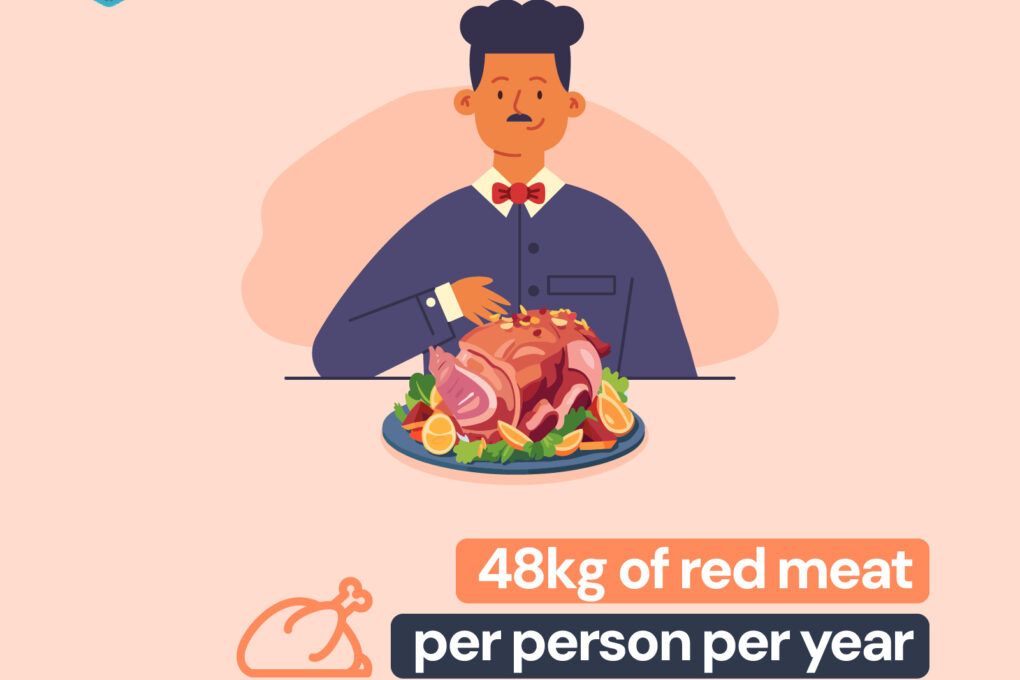
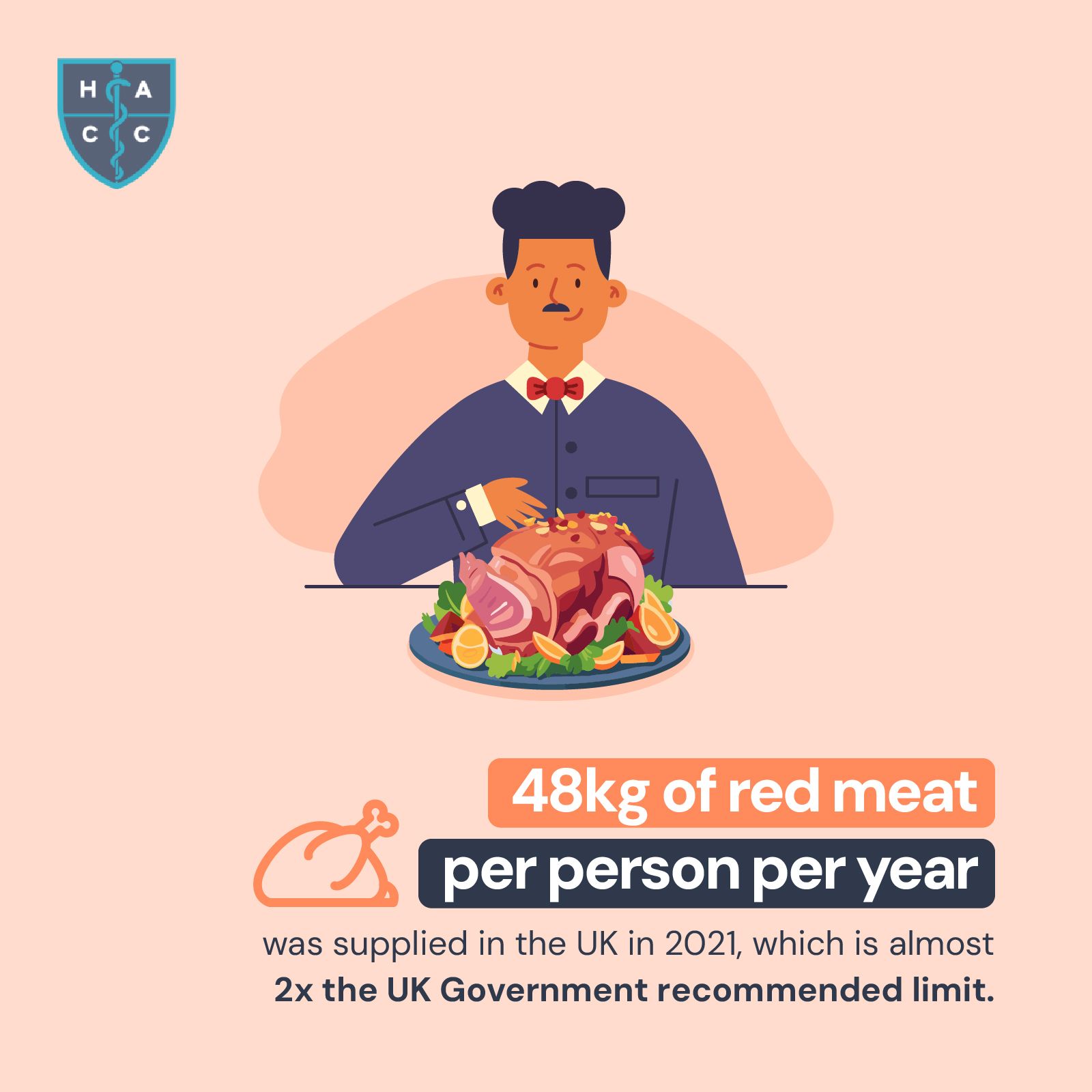
Subsidise and incentivise plant-based choices and cut red meat and dairy by 30% by 2030
Health


Nature


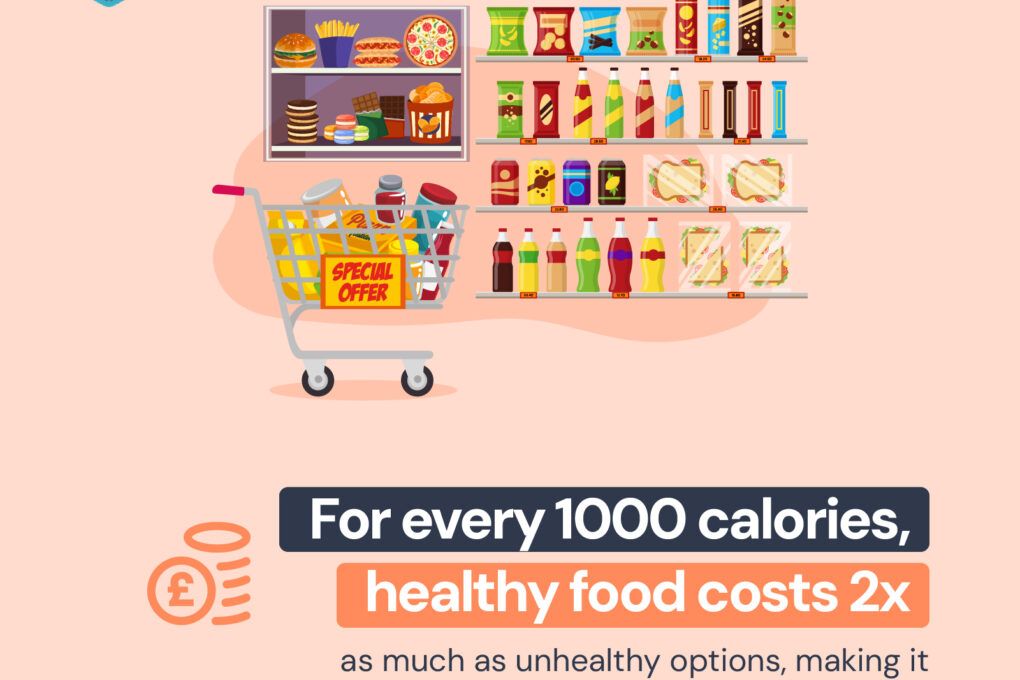
Economics and costs



Endorsements
Food is probably the most effective way to engage people positively in climate awareness and action; far more effective than starting a climate conversation directly. There is every reason to see food, and how we change the way we produce and consume it, as one of the key areas of action for improving health, stabilising climate and restoring biodiversity. Health professionals and health organisations are numerous, trusted, networked, articulate, and knowledgeable. To be on the right side of history, we need to fulfil our duty of care to make physical, mental and spiritual health possible for everyone.
Dr David Pencheon
Ambassador, UK Health Alliance on Climate Change
The UK Kidney Association fully supports the launch of the Plant-Powered Planet Policy Report from the UK Health Alliance on Climate Change. It highlights the critical role of a sustainable food system for both planetary and personal health. As we face rising challenges from climate change and chronic health conditions like kidney disease, adopting a plant-forward approach is a vital step toward improving outcomes for individuals and reducing the environmental burden on our healthcare system. Together, we can create a healthier future for both people and the planet.
Angeline Taylor
Lead Dietitian, UK Kidney Association
We strongly support the recommendations in this policy report in transforming to healthier, sustainable, and environmentally friendly food systems. To achieve this the government needs to support the British farming sector to meet its commitment to reach net zero by 2040, bolstering the significant efforts being made across the UK by many in agriculture to be more sustainable, and ensuring that the food safety standards that the UK is proud of remain world class and can support the health of the nation. Food systems drive a third of global greenhouse gas emissions, creating a dangerous cycle, as higher temperatures bring more severe weather and damage to harvests. In addition to putting even more pressure on the NHS. Without urgent and significant cuts in greenhouse gas emissions from food systems, we are set on a dangerous course for 2.7C of warming by the close of this century.
Dr Sue Paterson
President, Royal College of Veterinary Surgeons